All-on-4 Implants Explained by a Beverly Hills Cosmetic Dentist
Walk down Wilshire in the late afternoon and you can pick out the smiles crafted by experienced hands. Some belong to people who saved a tooth that should have gone years earlier. Others rebuilt an entire arch in a single day and got their confidence back before sunset. As a Beverly Hills cosmetic dentist, I have restored thousands of teeth, but few treatments change daily life as completely as All-on-4 implant therapy.
All-on-4 is not simply a faster way to get teeth. It is a coordinated surgical and prosthetic plan that leans on engineering, biology, and artistry. When it is right for a patient, it feels like a pivot point. Evening dinners become easy again. The social calculation about whether to smile in a photo goes away. Food choices expand from pasta and yogurt to steak, apples, and crusty bread. The trick is knowing who benefits, how to plan it properly, and what corners must never get cut.
What “All-on-4” Actually Means
In its most basic form, All-on-4 supports a full arch of fixed teeth on four dental implants. Two implants are placed near the front of the jaw, where bone is often strongest. Two more are placed further back, angled to increase contact with dense bone and avoid anatomical structures like the maxillary sinus or the inferior alveolar nerve. The screw-retained bridge that attaches to those implants replaces the teeth and a measured amount of gum tissue for a natural smile line.
The concept sounds elegant because it is, but good execution requires judgment. Not every arch can be predictably supported by only four implants. Bone quality, the bite, and parafunctional habits like grinding may push the plan to five or six implants per arch. I treat All-on-4 as a philosophy, not a rigid rule. The goal is a stable, maintainable fixed solution that respects your anatomy.
Where This Approach Shines
Traditional dentures rely on suction, muscle control, and adhesives. They shift when you laugh too wide, and many people lose taste and temperature sensation because the palate is covered. By contrast, implant-supported bridges feel anchored. You can speak freely, bite with confidence, and avoid the cycle of relining dentures as the bone shrinks.
Full mouth implant reconstructions with individual implants for each missing tooth can work beautifully, but they take more time and surgery, and they usually cost more. All-on-4 offers a middle path that preserves function and esthetics with fewer implants and less surgery. In many cases, a patient walks in without usable teeth and leaves that day with a fixed provisional bridge. That immediacy is not a gimmick, it is part of preserving soft tissue profiles and encouraging patients to immediately adopt better diets and hygiene habits.
A Candid Snapshot From the Chair
A retired music producer came to see me after breaking his third lower molar. He laughed it off, then admitted he had been avoiding hard foods for years. We looked at his scans together. The remaining teeth had long cracks and advanced bone loss. He wanted to keep “as many as possible,” but the best of the bunch would have been compromises that failed in sequence. We discussed a staged plan versus an All-on-4 for each arch. After hearing he could leave the office with fixed teeth the same day, he went home to think.
He returned with a list of questions about maintenance, failure risks, and how loud the procedure would be. We set realistic goals, explained that temporary teeth would be a touch bulkier than the finals, and agreed on shade, gum contour, and a slightly stronger bite design since he played with bruxism. Eight months later, after soft tissue healed and we converted him to the final zirconia bridges, he sent a photo from a steakhouse. No caption needed.
Who Makes a Good Candidate
Think about three pillars: general health, bone availability, and oral habits. Age matters less than biology. I have placed implants for healthy patients in their late seventies who heal more predictably than forty-year-olds with uncontrolled diabetes and nicotine use.
Here is a quick self-check that mirrors the first questions I ask in the office:
- You are missing many teeth or your remaining teeth have a poor long-term prognosis due to cracks, infection, or mobility.
- You want fixed teeth that do not come out at night.
- You have reasonable bone height in the front part of your jaw, or you are open to procedures that improve it.
- You can commit to daily hygiene under and around the bridge with tools like a water flosser and super floss.
- Your medical conditions, such as diabetes or osteoporosis, are well managed in coordination with your physician.
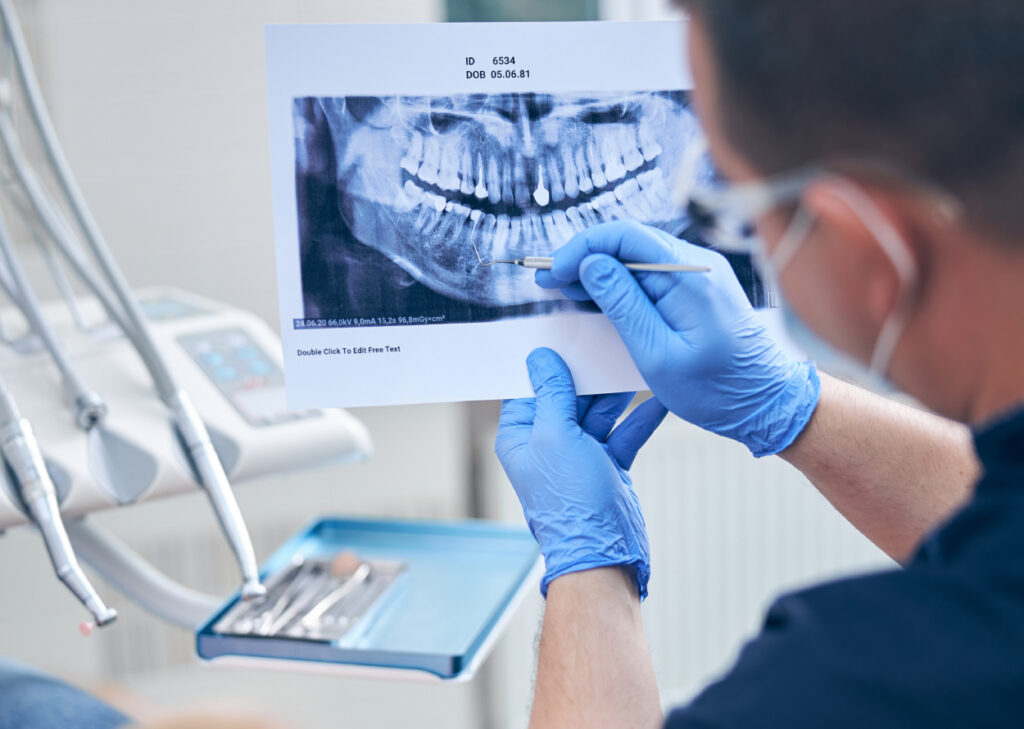
A CBCT scan often decides the finer details. If the sinuses are low or the nerve sits high, we angle implants to engage better bone and skip grafting when possible. If someone has very thin bone across the arch, we may propose five or six implants. A heavy grinder with a deep bite may benefit from more support or a thicker prosthesis to absorb stress.
What the Day Looks Like
No two cases are the same, but there is a reliable cadence to the clinical day for immediate-load All-on-4:
- Arrival and review. We confirm health status, medications, and sedation plan. I take a moment to re-check facial midline, smile arc, and lip dynamics, all recorded during earlier visits.
- Extractions and implant placement. Failing teeth are removed with care to preserve bone. Implants are placed following the 3D surgical plan. Stability at insertion is key. I target torque in the 35 to 45 Ncm range per implant for immediate loading.
- Multi-unit abutments and conversion. We attach temporary abutments, pick up a prefabricated provisional, and refine the occlusion. This is where artistry matters. The provisional should look great, but it must also protect the implants during healing.
- Home the same day. Patients often leave with a soft diet plan and a follow-up appointment within 24 to 72 hours.
That same-day transformation carries responsibility. We design the temporary teeth to look right and chew gently. Big improvements in phonetics usually happen immediately, but certain speech sounds can feel different for a week or two as the tongue learns the new contours.
Managing Comfort Without Drama
Many patients prefer IV sedation. Others do well with oral sedation and local anesthesia. The goal is measured comfort, not grogginess that lingers into the next day. Swelling peaks around day two or three, then fades. I use ice, elevation, and anti-inflammatories strategically, then antibiotics only when the clinical picture warrants them.
If you grind your teeth, we plan for it. A night guard designed for full-arch prosthetics protects your investment. Micro-adjustments in the bite at the one-week and four-week visits reduce hot spots that cause fatigue.
Materials, Esthetics, and the Kind of Details You Notice at Dinner
Temporary arches are often made of reinforced acrylic. They are resilient, easy to adjust, and gentle on healing tissues. Final arches come in a few common flavors:
- Monolithic zirconia with layered pink ceramics where needed for lifelike gum contours. Strong, stain resistant, and ideal for heavy bites.
- Titanium framework with acrylic or composite teeth, lighter weight and easier to repair if a tooth chips.
The choice is not just about cost. It is about how your lips frame the teeth, how much gum show you have when you smile, whether your bite is flexible or locked-in, and how much room we have between the ridge and the opposing teeth. In Beverly Hills, patients expect a natural look that stays that way under camera flashes and bright restaurant lighting. That starts with shade selection based on skin tone and eye whites, not a color swatch alone. Texture and micro-translucency in the front teeth, tiny imperfections that mimic nature, and a gumline that flows with your facial expressions separate a good result from a great one.
Bone Biology, Angles, and Why Four Often Works
Posterior maxillary bone can be soft and airy. Tilted posterior implants let us anchor in the anterior-lateral wall where bone is denser, which increases the span between front and back supports and reduces the lever arm. Done correctly, the forces distribute along the implants and the titanium or zirconia superstructure instead of concentrating at a weak point.
Not every surgeon is comfortable with angled implants, and not every case benefits. A short, strong bite with minimal overjet behaves differently than a long, cantilevered one. The design decisions that look small on a plan can create big differences in how an arch handles the crunch of a baguette ten years later.
Healing Timeline, Without the Guesswork
Healing still takes time even when the teeth go in the same day. Your jaw needs months for osseointegration, the microscopic bond that forms between bone and implant surface. You can help this process by following a soft diet and gentle hygiene during the provisional phase.
Here is how the first week typically unfolds:
- Day 0: Numbness fades in a few hours. You can sip cool liquids, then move to soft foods. Sleep with your head elevated.
- Day 1 to 2: Mild to moderate swelling shows up. Ice in short intervals. Expect some tightness around the cheeks and lips.
- Day 3 to 4: Swelling peaks, then slowly recedes. Bruising, if any, becomes visible and then fades.
- Day 5 to 7: Most patients feel socially comfortable. Speech sounds normalize. We make small bite adjustments if needed.
Over the next two to three months, gum tissues settle and shape around the prosthesis. At about four to six months, when the implants are well integrated and the soft tissue is stable, we scan for the final bridge. We take time to test the esthetics and phonetics before issuing the definitive arch.
What Can Go Wrong and How We Plan Around It
I tell every patient that implants are durable, not infallible. The most common nuisance is prosthetic, not biological. A small chip in an acrylic tooth or wear on a high-contact spot shows up before anything serious. Those repairs are usually straightforward.
Biologic complications include peri-implantitis, a gum and bone inflammation that quietly undermines support. Smokers and patients with poorly controlled diabetes face higher risk. That does not mean they cannot have implants, but the bar for hygiene and follow-up is higher. We schedule three or four maintenance visits per year at first. We coach on technique and use photographs under the arch to show where plaque hides. In the rare case of an implant that never integrates, we remove it, place a new one after healing, and keep the provisional stable in the meantime.
Communication solves a surprising number of problems before they start. If you are a singer, a public speaker, or on camera, we sculpt the palatal contours and incisal edges to protect sibilant sounds. If you travel often, we give you a summary of your implant system and component sizes, so a Dentist near Beverly Hills CA or across the country can help if a screw loosens during a trip.
Eating, Speaking, and Living With the Prosthesis
Plan for a soft diet during the first months. Eggs, yogurt, hummus, steamed fish, finely chopped vegetables, and pasta are easy. After integration, your menu opens widely. I caution against hard nutshells, ice chewing, and tearing open packages with your teeth. Those rules apply to natural teeth too.
Speech usually normalizes within days. If you notice a whistle or lisp, record yourself reading a paragraph for a minute each night. The tongue retrains quickly with repetition, and we can refine contours at follow-ups.
Cleaning under a full arch is different, not harder. A water flosser aimed at a shallow angle toward the gums dislodges debris under the bridge. Super floss, small interdental brushes, and a sonic toothbrush complete the routine. Most of my patients spend three to five minutes, twice a day. The return on that time is years of healthy, fresh-feeling implants.
Cost, Insurance, and the Financing Question
Fees vary widely because each case carries different lab costs, surgical needs, and follow-up care. In Beverly Hills, full arch pricing often falls in a broad range that reflects premium lab work and advanced imaging. Costs are typically bundled to include extractions, implants, abutments, provisional and final prostheses, and several months of maintenance. Dental insurance may contribute to extractions, imaging, or parts of the prosthetic, but it rarely covers the whole treatment. Patients often use healthcare credit plans or phased payments that align with clinical milestones.
Precision planning saves money downstream. A well-fitted provisional, accurate records, and a lab that understands occlusion reduce remakes. That matters more than shaving a small amount off a quote by choosing a team that rushes the records stage.
Emergencies and Same-Day Solutions
Life does not schedule dental problems. A front tooth can fracture on a pistachio at lunch, or a failing bridge can unseat the day before a shoot. As a Beverly Hills emergency dentist, I triage for both pain and esthetics. For candidates already planning an All-on-4, an urgent visit can become the first step in treatment: remove the infected teeth, clean thoroughly, and place immediate implants with a same-day provisional that saves your smile and your calendar. For others, we stabilize the situation and craft a short-term plan, then circle back to a full-arch conversation when the dust settles.
How to Choose the Right Team
You will find plenty of advertising that claims the Best dentist in Beverly Hills title. The better question is who shows consistent judgment, not just pretty before-and-after photos. Ask to see CBCT-guided plans and how those plans translated into final prostheses. Ask who is doing the surgery and who is doing the prosthetics. A single coordinated team, or two clinicians who collaborate tightly, will serve you better than a handoff to an unknown lab.
If you are comparing offices and wondering whether to see a general Dentist or a specialist, focus less on the nameplate and more on the actual experience with full-arch reconstructions. A Beverly Hills Dentist who has restored hundreds of arches and partners with an implant surgeon can be the right choice. So can a periodontist or oral surgeon who works shoulder to shoulder with a restorative dentist from records to delivery. Proximity helps with follow-ups, so many patients search for a Dentist near Beverly Hills CA to make maintenance effortless.
Edge Cases That Deserve Extra Caution
- Very limited bone. Zygomatic or pterygoid implants exist, but they require specialized training and come with unique risks. They can be life-changing in the right hands.
- Severe bruxism with a history of broken teeth and cracked crowns. All-on-4 can still succeed, but expect thicker prostheses, possible additional implants, and non-negotiable night guard use.
- Long-term bisphosphonate therapy for osteoporosis. We coordinate closely with physicians. The risk of osteonecrosis is low with oral medications and careful technique, higher with IV formulations.
- Heavy smokers. Nicotine constricts blood flow and slows healing. Quitting or using nicotine replacement therapy for the perioperative period improves outcomes significantly.
- Unrealistic esthetic expectations. The final result can look flawless, but it should also look like you. If you bring a photo of a celebrity with a different face shape and gum display, we will adapt the best elements to your own anatomy.
A Few Questions I Hear Every Week
Will I look like I have dentures? Fixed prostheses do not come in and out at night, and they do not cover your palate. We tailor the tooth shape, length, and gum contours to your face. The goal is a smile that suits you so well no one wonders where it came from.
How long will they last? Implants can last decades if maintained. The prosthetic teeth may need resurfacing or replacement after eight to twelve years depending on material and bite forces. I plan for longevity and build in easy maintenance.
What if one implant fails? The arch is designed with redundancy in mind. If a single implant fails in an otherwise healthy mouth, we can often replace it without dismantling the entire bridge. The key is early detection and follow-through.
Can I do one arch first? Absolutely. Many patients stage treatment. We make sure the opposing arch is healthy and that the bite plan anticipates the second side if you decide to proceed later.
What a Thoughtful Process Feels Like
Your first visit should not feel like a sales pitch. It should feel like a conversation about your daily life, your health, and your schedule. We take photos, digital scans, and a CBCT. We talk about how you chew, where your current bite hits first, how you pronounce F and S sounds. I show you tooth shapes that align with your lip dynamics. I explain how we will handle a busy travel calendar, or an upcoming event. Small details, like making sure your temporary shade blends if we are staging one arch first, make a big difference in how comfortable you feel between appointments.
The Payoff
Ask anyone who has lived with slipping dentures or a mouthful of failing teeth what it feels like to sit down to dinner after final delivery. You will hear the same words again and again: relief, freedom, normalcy. A smile that does not need monitoring frees up mental space. That shows on your face, in your posture, and in the way you greet people.
All-on-4 done well is the product of planning, a steady hand, and a lab that cares about esthetics as much as strength. It is not right for everyone, but for the right patient it restores more than teeth. If you are weighing the decision, talk to a Beverly Hills cosmetic dentist who can walk you through the options with transparency. Bring your questions. The best outcomes come from informed choices made by a team that listens.
Dental Group Of Beverly Hills
Address: 8641 Wilshire Blvd #125, Beverly Hills, CA 90211, United States
Phone number: +13109296335
FAQ About Beverly Hills Dentist
Who is the Kardashians' dentist?
The Kardashians' long-time cosmetic dentist is Dr. Kevin Sands, a renowned celebrity dentist based in Beverly Hills, California.
Dr. Sands has been the premier choice for the Kardashian-Jenner family for years, taking care of their routine check-ups, teeth whitening, and porcelain veneers.
How much does a dentist make in Beverly Hills?
While ZipRecruiter is seeing salaries as high as $390,951 and as low as $68,719, the majority of Dentist salaries currently range between $151,300 (25th percentile) to $272,600 (75th percentile) with top earners (90th percentile) making $346,484 annually in Beverly Hills.
Does Donald Trump wear veneers?
Yes, dental professionals widely agree that Donald Trump wears porcelain veneers. When comparing archival footage of his youth to his appearance in recent decades, his smile has undergone a distinct transformation, shifting from naturally worn and slightly varied teeth to perfectly uniform, bright white porcelain work.